Composing…
/Shri Bahuchara Mata Temple
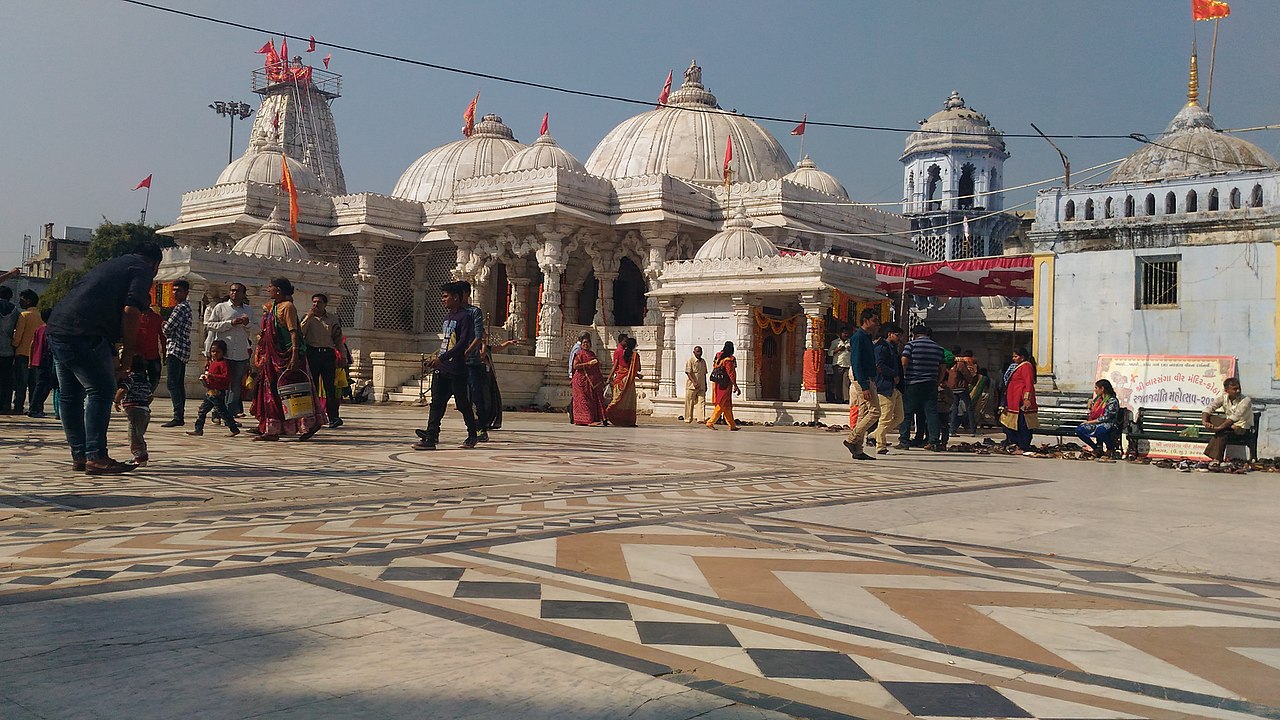
Shakti Peeth
Shri Bahuchara Mata Temple
श्री बहुचरा माता मंदिर
Location
Becharaji, Gujarat
Darshan
06:00 – 21:00
Deity
🪔Maa Bahuchara Mata — a manifestation of Shakti; patron goddess of the Hijra (transgender) community of India
Entry
Free entry
Approximate timings; temple open morning and evening with a midday break. Verify locally, especially during major festivals. Extended darshan during Ashadhi Beej, Navratri, and Diwali.
Bahuchara Mata is one of Gujarat's most important and widely venerated Shakti sites. The temple at Becharaji draws pilgrims from across Gujarat, Rajasthan, and beyond. Among all Indian temples, Bahuchara Mata holds a unique distinction as the principal patron deity of the Hijra (transgender) community — one of India's oldest recognized gender-diverse groups. The temple welcomes Hindu pilgrims of all backgrounds alongside Hijra pilgrims, creating one of the most diverse devotional congregations at any Indian temple. This inclusivity is built into the goddess's mythology.
History
Bahuchara Mata's temple at Becharaji is an ancient site; Becharaji's history as a pilgrimage centre predates the medieval period. The temple was maintained and patronised by the Charan community (traditional bards and genealogists of Gujarat/Rajasthan) and by successive Gujarati rulers. The current temple complex has been periodically renovated. The town of Becharaji (also spelled Bechraji or Bahuchara) is named after the goddess.
Mythology
Two major mythological narratives explain Bahuchara Mata's attributes: 1. THE CHARAN LEGEND: Bahuchara was a Charan woman travelling with her father. Their party was attacked by a bandit named Bapiya. Rather than submit to violation, Bahuchara performed "tragu" — a ritual self-sacrifice — cutting off her own breast. Before dying, she cursed Bapiya with impotence. Bapiya could be freed from the curse only by dressing as a woman and worshipping her. This is linked to the Hijra practice of devotion. 2. DIVINE ORIGIN: In another version, Bahuchara is a manifestation of the divine goddess who took form to protect the pious and establish dharma. The rooster symbolizes her alertness, awakening (call to worship), and victory over darkness. The Hijra community's association: the goddess's mythology — involving gender-crossing, the curse on Bapiya, and the worship tradition — is interpreted as divine sanction for the Hijra community's identity and spiritual role.
06:00–07:00
Pratah Aarti (Morning Aarti)
Dawn aarti; first darshan; lamps and incense
~08:00–12:00
Shringar / Raj Bhog
Main morning darshan period; goddess adorned; naivedya (food offering)
12:30–14:30
Midday Closure
Temple closed for midday rest
~18:30–19:30
Sandhya Aarti (Evening Aarti)
Evening aarti; atmospheric; illuminated sanctum
~20:30–21:00
Shayan Aarti (Night)
Night closing aarti